


Brussels sprouts
By now, you should be working your way up the stems in order to harvest the sprouts as they mature. Pick and eat them before they grow too large.
Celeriac
Harvest celeriac as you need it. Or, if the winter is very cold, spread a protective layer of straw around the roots and leave them in the ground for another month or two.

Celeriac is very resilient and is said to be able to survive temperatures as low as –10ºC (14ºF).
Jerusalem artichokes
Don’t dig up artichokes until shortly before you want to use them. Unlike potatoes, they won’t keep for long once they’ve been lifted. Scrub them clean, then boil or roast them.
Kale
Although you may have been growing kale earlier in the year for baby salad leaves, it really comes into its own during the winter months. ‘Black Tuscan’, sometimes known as ‘Cavolo Nero’, is tough enough to survive almost anything.

Harvest young leaves as you need them by pulling a few from the centre of the plant. When only the last of the tough outer leaves are left, lift the whole plant in order to reduce the risk of clubroot.
Swede
Lift any swedes still remaining in the ground before they grow too large and turn woody in texture. They can be stored.
Winter cabbages
A welcome source of fresh greens in midwinter, winter cabbages can be left in the ground until needed – as long they are netted against pigeons.
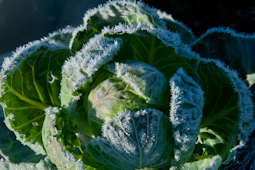
‘Savoy’ cabbages have distinctive, crinkly leaves and are hardy enough to survive the coldest weather.
Winter cauliflowers
January should bring the first of your winter cauliflowers, the ones you planted out towards the end of last summer. The heads should have survived any hard frosts if you remembered to tie a few outer leaves over them.
Winter radishes
As long as there have not been any really hard frosts, you may still be able to harvest the last of your winter radishes. Eat them raw in salads or cooked, like turnips.
Winter salad leaves
Corn salad, land cress and winter purslane are amongst the few salads that can be grown outdoors for a winter harvest – though they will need covering during the colder months.
Chicory
If you lifted your Belgian or Witloof chicory roots last autumn and replanted them under lightproof covers in order to force new shoots, you may have your first, blanched “chicons” to enjoy this month.
Endive
Both hardy, broad–leaved endive curly-leaved varieties will withstand the winter if covered with frames or cloches to protect them from the worst of the weather.
Leeks
Harvest leeks just before you need them, as they don’t store well once lifted. Trim then wash carefully to remove any soil trapped in between the leaves.
Parsnips
In all but the very coldest regions, parsnips should survive the winter. In fact, they are said to taste sweeter after they have been exposed to frost.
Sprouting broccoli
Hardy varieties of purple sprouting broccoli sown the preceding summer should produce a long-lasting harvest that continues from winter well into the spring.
Vegetables
Brussels sprouts
Cabbages
Cauliflowers
Celeriac
Jerusalem artichokes
Kale
Leeks
Parsnips
Sprouting broccoli
Swede
Winter radishes
Salads
Chicory
Endive
Salad leaves
Text and photographs copyright © 2010 Alan Buckingham.
 Allotment Month by Month
(Dorling Kindersley, 2009)
 Grow Vegetables
(Dorling Kindersley, 2007)
 Grow Fruit
(Dorling Kindersley, 2010)