


Brussels sprouts
The young leaves at the top of the stalk are known as “sprout tops”; harvest, cook, and eat them like spring greens.
.jpg)
Sprouts are said to taste better after the first frost. Start picking them from the bottom of the stalks, working your way upwards as they grow larger.
Cabbages
Both autumn and winter cabbage varieties are ready for cutting now.
Carrots
Continue lifting maincrop carrots to eat or to store – although they can be left in the ground for later in the winter.
Cauliflowers
Harvest cauliflowers as you need them. Unless it is very cold, there’s no hurry as they’ll have stopped growing.
Celeriac
Dig up the entire roots and trim them before use.

Celeriac is best left in the ground and harvested only when needed. In very cold weather a covering of straw helps protect them, but they should be able to survive temperatures as low as -10ºC.
Celery
Harvest trench-grown celery now.
Cranberries
Pick the berries when their colour darkens to a rich, deep red.
Endive
Both curly-leaved or frisée varieties and flat-leaved, Batavian types will continue cropping through the winter, if protected by fleece or cloches.
French beans
Beans intended for drying may be left on the plants until the pods have completely dried out.
Jerusalem artichokes
At last, patience is rewarded: after nine months in the ground, the first artichokes should finally be ready to lift.
Kale
Harvest full-grown leaves now, and over the winter. Kale is extremely hardy.
Kohl rabi
Modern varieties are reasonably hardy and will withstand moderate frosts, but if temperatures are very low, protect plants with fleece or cloches.
Leeks
Use a fork to dig up leeks or you’ll risk snapping off the stem.
Lettuces
Pick the last autumn lettuces now.
Oriental brassicas
Komatsuna, mibuna, mizuna, chop suey greens, Chinese broccoli, mustard greens, and choy sum will all last until now, if given protection.
Parsnips
Harvest, or leave them in the ground.
Raspberries
Autumn raspberries will produce fruit until the first frost. In mild regions or sheltered spots, that might be as late as November.
Salad leaves
Land cress, corn salad, rocket, winter purslane, and some of the Oriental brassicas will still provide leaves for salads if protected against frost.
Spinach
Winter spinach varieties are fast-growing and bred to tolerate shorter days; they should crop this month. Provide protection in severe weather.
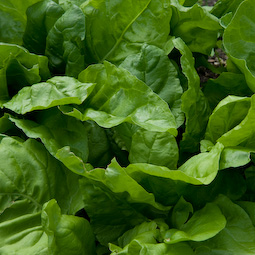
Harvest spinach either by taking off a few outer leaves at a time or by uprooting the whole plant.
Sprouting broccoli
Pick any remaining spears, before hardier types take over in the new year.
Swedes
Lift swedes now or leave them if they are not becoming too large.
Swiss chard
All leaf beets are fairly foolproof. They’re hardy, withstand neglect, and resist attacks from pests and diseases.
Turnips
Lift turnips if there is any danger of the ground freezing. You can store them for use later in winter.
Winter radishes
Oriental varieties sown in July may be lifted or left alone for a couple of months.
Vegetables
Brussels sprouts
Cabbages
Carrots
Cauliflowers
Celeriac
French beans
Jerusalem artichokes
Kale
Kohl rabi
Leeks
Oriental leaves
Parsnips
Spinach
Sprouting broccoli
Swede
Swiss chard
Turnips
Winter radishes
Salads
Celery
Chicory
Endive
Lettuces
Salad leaves
Fruit
Cranberries
Raspberries
Text and photographs copyright © 2010 Alan Buckingham.
 Allotment Month by Month
(Dorling Kindersley, 2009)
 Grow Vegetables
(Dorling Kindersley, 2007)
 Grow Fruit
(Dorling Kindersley, 2010)